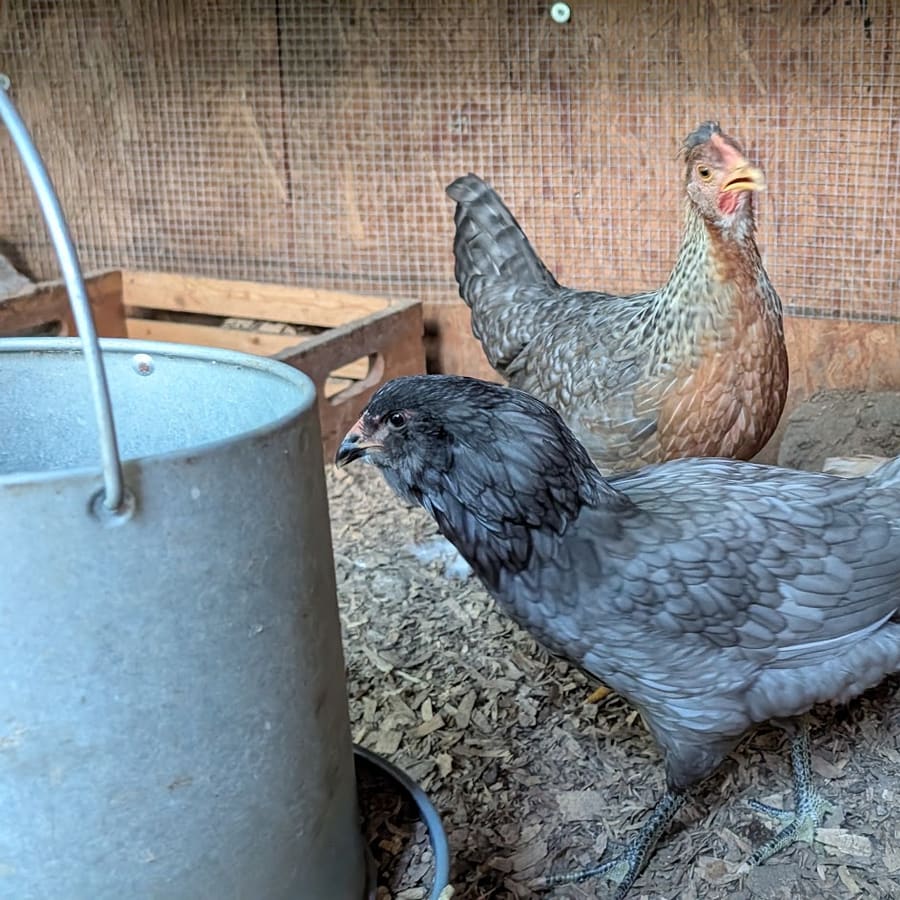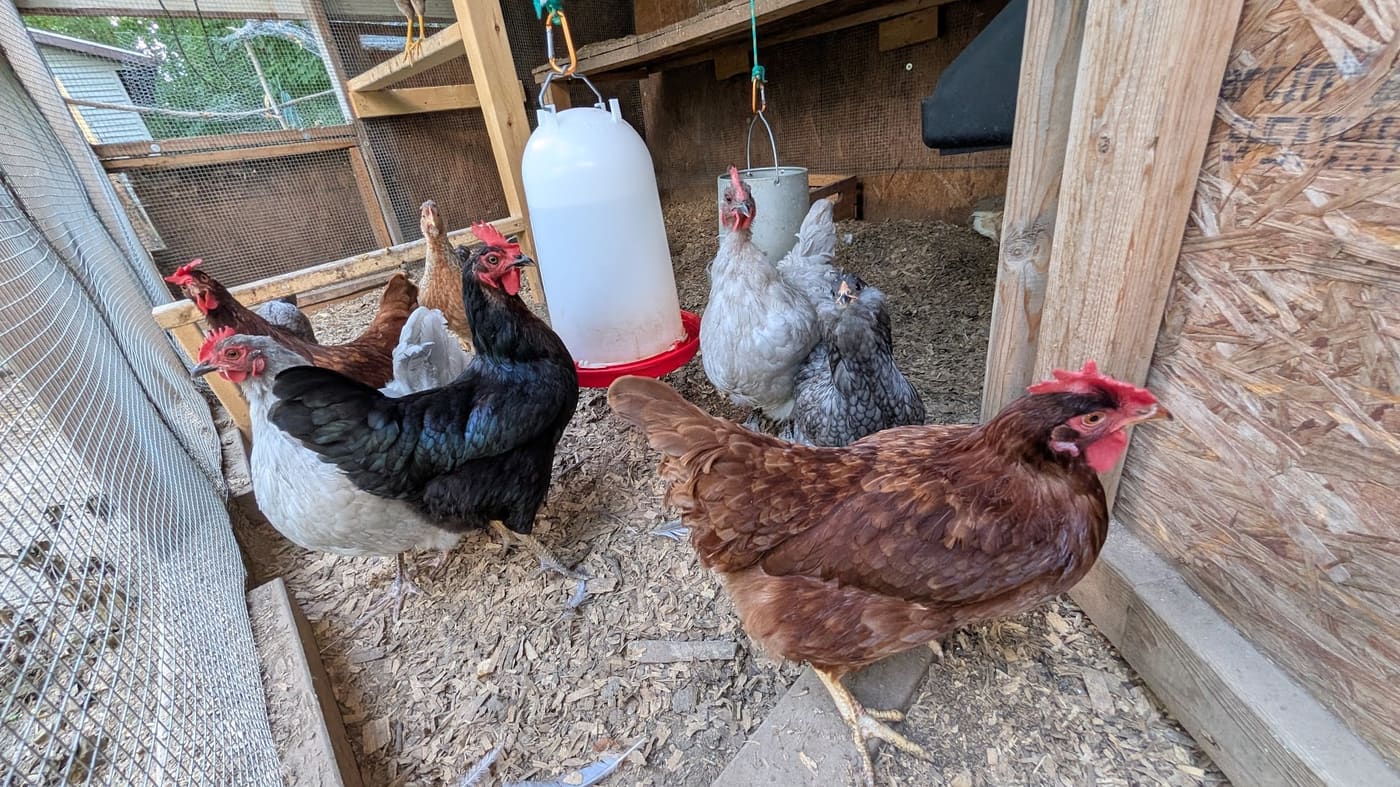
So you want to keep chickens. Good call. A small backyard flock gives you fresh eggs, cheerful company, and the best compost helpers you'll ever meet. We started The Cliff Coop the same way you're starting now: a few hens, a lot of questions. This is the guide we wish we'd had.
Here's the honest version of what it takes to get going.
How many chickens should you start with?
Chickens are flock animals, and they're happiest and healthiest in a group. Start with three to five hens. That's enough for steady eggs (a good layer gives you 4–6 eggs a week in season) without overwhelming a first-timer.
A quick reality check before you buy: check your city or county rules. Many towns allow a handful of hens but ban roosters, and some cap the number you can keep. You don't need a rooster for eggs, only for fertilized ones.
Picking the right breeds
For your first flock, pick friendly, hardy, reliable layers over the flashy stuff. Our favorites for beginners:
- Australorp, calm, cold-hardy, and one of the best brown-egg layers around.
- Buff Orpington, big, gentle "lap chickens" that handle winter well.
- Rhode Island Red, tough, productive, low-drama. (Our Red earns her name.)
- Easter Egger, lays blue and green eggs and brings personality to the run.
Mixing a few breeds gives you a prettier egg carton and helps you tell the girls apart.
The coop: your one big decision
The coop is where your flock sleeps, lays, and shelters from weather and predators. Get this right and everything else is easy.
Plan for:
- 4 square feet per bird inside the coop, and 8–10 square feet per bird in the run.
- One nest box per 3–4 hens (they'll share and squabble over the same favorite one anyway).
- A roosting bar off the ground (chickens instinctively sleep up high).
- Ventilation up high, above their heads, without drafts blowing on them at night.
- Predator-proofing. Use ½-inch hardware cloth, not chicken wire. Raccoons reach right through chicken wire. Bury it a few inches or add a skirt to stop diggers.
Not ready to build? Our Coop Plans walk through a simple, predator-tight setup you can build in a weekend.
Feed and water
Layer feed is the foundation: a complete feed formulated for laying hens (around 16% protein). Keep it available all day; chickens self-regulate.
Add:
- Fresh, clean water at all times. This matters more than anything else, especially in heat.
- Crushed oyster shell offered on the side, so hens can top up calcium for strong shells.
- Grit, since chickens have no teeth and use grit to grind food in their gizzard.
Treats and kitchen scraps are fine in moderation. Think of them as dessert, not dinner. Keep treats under about 10% of what they eat.
The daily routine (it's shorter than you think)
Day to day, chicken keeping is about 10 minutes:
- Morning: open the coop, refill water, top up feed, a quick "everyone okay?" head count.
- Midday: collect eggs (more often in hot or freezing weather).
- Evening: they'll put themselves to bed at dusk; just close the coop up to keep predators out.
Once a week, scoop the droppings and add fresh bedding. Once a season, do a deeper clean.
When will you get eggs?
Most hens start laying around 5 to 6 months old. The first eggs are often small, oddly shaped, or soft-shelled, which is normal as their system warms up. Laying slows in winter and during their annual molt, when they drop feathers and regrow them. Shorter days mean fewer eggs; that's the flock working exactly as designed.
Your first-week checklist
- Confirm your local rules on hens and roosters
- Coop built and predator-proofed with hardware cloth
- Layer feed, feeder, and a waterer
- Oyster shell and grit on the side
- Bedding (pine shavings work well)
- 3–5 healthy pullets from a reputable source
That's it. Start small, keep their water clean, lock them up at night, and you'll be collecting your own eggs before you know it.
Local to the Quad Cities and want to taste the payoff first? You can order fresh eggs from our flock and see what you're working toward.